Royal Collection Jewelry Trends: What's In and What's Out
The realm of prestigious jewelry collections is experiencing a significant shift. Striking statement jewelry featuring large-scale gemstones are rising to prominence. On the other hand, traditional designs are giving way to minimalist designs that emphasize elegance. This evolution captures a rising need for uniqueness in personal styling. As styles progress, understanding what remains timeless and what is fading away becomes essential. The following section will delve deeper into these complex patterns.
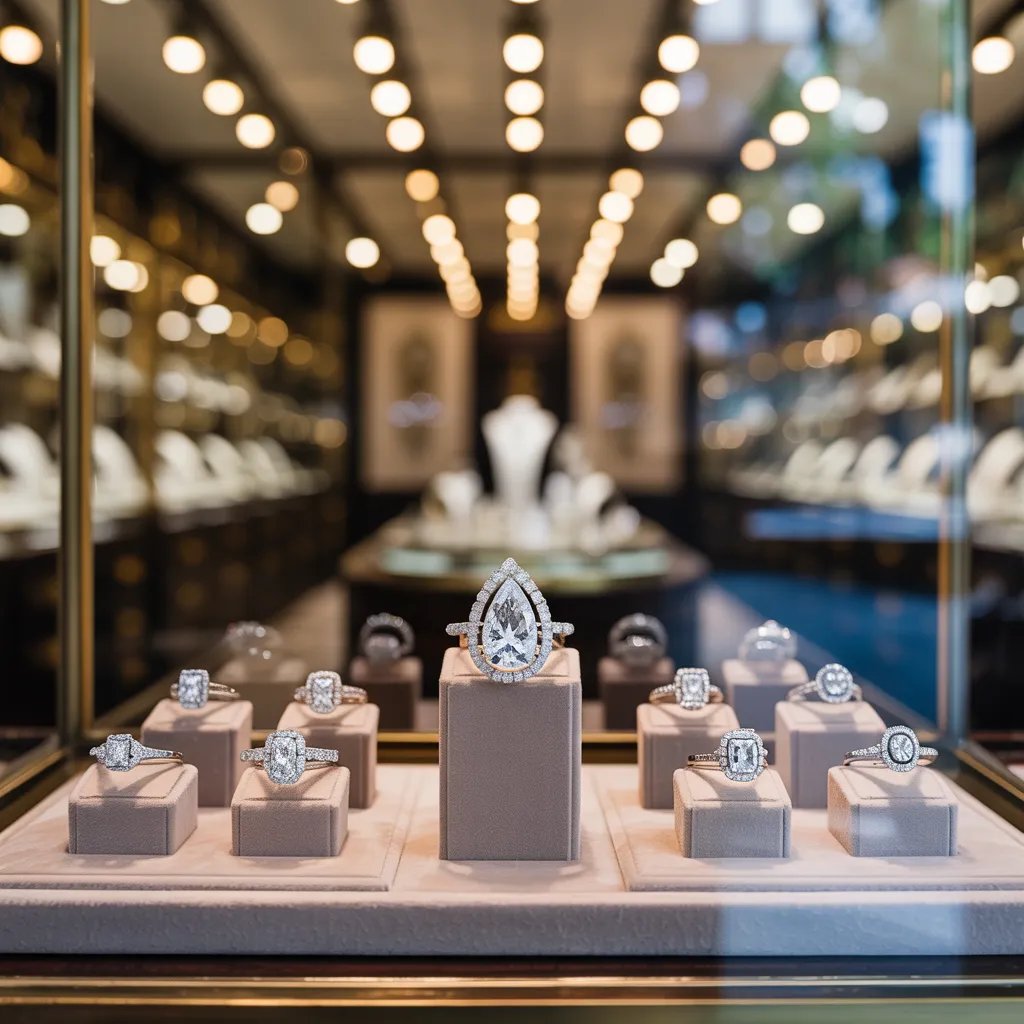
The Charm of Royal Jewelry
The artistry showcased in producing such adornments is unparalleled, displaying remarkable skill that has progressed throughout the ages. Time-honored methods, paired with modern innovations, ensure these creations continue to resonate in today's fashion landscape.
Monarchical jewelry often features distinguished designs, like brooches and tiaras, which act as emblems of status and identity. As public fascination with monarchy persists, the allure of these exquisite pieces continues to inspire admirers and collectors of fine jewelry, strengthening the timeless charm of monarchical legacy in the realm of fine jewelry.
Bold Statement Pieces in Royal Jewelry: What's Trending Now
Striking statement jewelry continue to dominate the world of royal jewelry, capturing the attention of collectors and fashion enthusiasts alike. Such striking pieces commonly display oversized gemstones, intricate designs, and bold colors, setting them apart from traditional, understated pieces. Members of royalty are adopting this movement, presenting oversized brooches, dramatic earrings, and distinctive necklaces throughout public events and appearances.
Materials including vibrant precious stones, golden accents, and even non-traditional materials like textiles or feathers are being utilized to produce remarkable visual impacts. This transition to bolder choices represents a broader cultural movement that embraces individuality and self-expression. Moreover, online social platforms amplify such trends, empowering royals to connect with a younger audience eager to adopt the allure of royal couture.
As these distinctive statement pieces grow in popularity, they redefine the standards of majestic ornamentation, representing a fresh perspective of regal sophistication that is both striking and within reach.
Understated Elegance: Distinguished Instances of Monarchical Adornments
Quiet refinement frequently characterizes the jewel preferences of the royal family, demonstrating a refined taste that transcends trends. Elegant pearl adornments, classic diamond studs, and simple gold cuffs capture this distinguished look, offering a understated refinement. Such jewels do more than complement noble dress but also underscore the enduring appeal of simplicity in fine jewelry.
Elegant Pearl Necklaces
While jewelry trends are constantly evolving, pearl necklaces remain a symbol of timeless elegance, particularly in royal circles. Their classic appeal transcends generations, making them an essential part of royal collections. Notable examples include Queen Elizabeth II's iconic three-strand pearl necklace, frequently displayed during state occasions, highlighting the flexibility of pearls in both formal and everyday settings. Likewise, the late Princess Diana regularly complemented her look with exquisite pearl pieces, accentuating her distinguished style. The subtle elegance of these necklaces pairs well with a wide range of outfits, accentuating sophistication without overshadowing the wearer. As style trends change, the lasting appeal of pearl necklaces remains compelling, cementing their status in the jewelry collections of royalty and beyond.
Elegant Diamond Stud Earrings
Classic diamond earrings are a timeless accessory, embodying a refined simplicity that resonates with both everyday wearers and royalty. These timeless pieces have graced the ears of many royal figures, embodying quiet refinement. Remarkably, members of the British royal family have often been seen sporting their own variations, demonstrating the flexibility of this enduring design. The enduring charm of diamond studs lies in their ability to complement a wide range of outfits, ranging from everyday casual to elegant formal wear. Their radiance and artistry enhance the wearer's elegance without overpowering the outfit. As fashion trends evolve, diamond studs persist as a dependable option, proving that select styles are truly everlasting, crossing generational boundaries and defining a standard for sophisticated adornment.
Minimalist Gold Bangles
Minimalist gold bangles represent the beauty of understated design, drawing admiration through their clean lines and gentle luster. Within royal jewelry repertoires, such items commonly stand as examples of restrained sophistication. Notable figures like Queen Letizia of Spain have been observed adorning themselves with slender, refined bangles that complement rather than overpower their outfits. These accessories are versatile, transitioning seamlessly between relaxed daily looks and sophisticated evening wear. The minimalist aesthetic resonates with contemporary trends, attracting individuals who appreciate an elegant yet contemporary appearance. As trends shift and change, these bangles remain a staple, embodying a lasting allure that bridges generations. Their lasting prominence underscores a transition to more intimate style expressions within royal adornment choices.
Enduring Jewelry Trends That Continue to Thrive Today
When exploring the enduring appeal of fine jewelry, certain styles consistently stand out for their timeless elegance and versatility. Classic pearl necklaces, for example, have remained a staple in both casual and formal settings, representing elegance and refinement. In the same way, diamond studs provide a subtle yet impactful way to elevate any ensemble, proving their worth as a must-have accessory.
Furthermore, the appeal of gold chains remains strong, whether worn alone or combined for a modern twist. These items not only suit various aesthetics but also transcend trends, making them a sound investment. Vintage-inspired designs, such as Art Deco rings, keep enchanting those in search of distinctive statements while paying homage to the past.
In essence, these enduring jewelry pieces capture a remarkable fusion of the traditional and the modern, ensuring their place in the hearts of fashion admirers for many years ahead.
Heritage-Inspired Jewelry Styles
In what ways do heritage-inspired jewelry designs embody cultural narratives while resonating with contemporary audiences? These works commonly derive inspiration from historical motifs, shaping pieces that convey stories of their heritage while aligning with current aesthetic sensibilities. Utilizing traditional techniques and materials, they blend craftsmanship with innovation, showcasing intricate patterns and symbolic elements that reflect diverse cultural heritages.
Such styles often incorporate antique stones or handcrafted techniques, enhancing their authenticity and allure. The resurgence of interest in these pieces originates from a longing to connect with history, permitting collectors to commemorate their lineage or life story. Additionally, heritage-inspired jewelry fosters a sense of belonging and identity, making it particularly appealing in today's globalized world. As the fashion industry continues to prioritize eco-conscious values, these classic creations appeal to buyers looking for significant embellishments that transcend fleeting trends, reflecting both timeless sentiment and refined modern style.
Emerging Trends in Royal Jewelry for the Coming Season
As royal jewelry continues to evolve, next season promises an exciting blend of grandeur and modern aesthetics. Emerging trends suggest a shift towards bold, statement pieces that reflect individuality while upholding timeless refinement. Anticipate an abundance of large-scale precious stones, most notably brilliantly colored gemstones like emeralds and sapphires, elegantly placed in detailed, cutting-edge arrangements.
Layering is also set to take center stage, with royals embracing the art of combining various rings, necklaces, and bracelets for a unique personal flair. Sustainability is becoming a focal point as well, with an growing selection of pieces showcasing ethically sourced materials and vintage designs reimagined for today's aesthetic.
Furthermore, asymmetrical styles are growing in popularity, delivering a new interpretation of traditional designs. During this season, royal jewelry is set to not only celebrate heritage but also redefine luxury with innovative craftsmanship, rendering it a mesmerizing showcase for aficionados and collectors alike.
Downward Shifts in Royal Jewelry?
As the jewelry industry transforms, particular royal aesthetics are falling out of favor. The once-celebrated vintage revival is waning, while excessively elaborate designs are growing less fashionable. This change indicates a drift toward cleaner and more contemporary looks in royal accessories.
Retro Renaissance Downturn
While vintage jewelry has long captivated enthusiasts and collectors alike, recent observations suggest a decline in its popularity, especially among royal communities. Formerly a cornerstone of royal collections, items influenced by past eras are increasingly eclipsed by modern supporting information designs. The alteration reflects a broader trend towards modern aesthetics that prioritize simplicity and minimalism, resonating with newer generations.
As members of the royal family shape their public images, they show a growing preference for items that resonate with current fashion sensibilities over nostalgic designs. This transformation signals a desire for evolution in royal jewelry, moving away from the decorative qualities of vintage pieces. Consequently, the appeal of vintage-inspired designs seems to be diminishing, signaling a meaningful transformation in the style sensibilities of today's royal figures.
Overly Ornate Styles Out
The departure from vintage jewelry has coincided with a wider distancing from excessively elaborate designs among royal circles. Over recent years, royal family members have gravitated towards cleaner and more understated styles, signaling an appreciation for elegance without excess. This movement signals a significant departure from the lavish, intricate pieces that formerly characterized royal jewelry collections. Understated lines, refined gemstones, and sleek silhouettes are increasingly sought after, prioritizing artistry over extravagance. This progression reflects a societal transition towards modern values and functionality, as royals seek to connect with modern design sensibilities. The favor shown towards subtle elegance over intricate embellishment suggests an evolving relationship with tradition, bringing royal jewelry in line with modern societal norms while preserving cultural heritage.
Frequently Asked Questions
How Is Royal Jewelry Commonly Assessed for Its Value?
Fine royal jewelry is typically appraised for value via professional assessments that take into account elements including historical significance, craftsmanship, gemstone quality, and market demand. Professional appraisers commonly apply comprehensive evaluation methods and analytical techniques to establish precise monetary value.
What Materials Are Commonly Used in Royal Jewelry Designs?
Royal jewelry styles traditionally include precious metals like platinum and gold, paired with precious stones such as diamonds, rubies, sapphires, and emeralds. These materials are chosen for their exceptional rarity, stunning beauty, and historical relevance in royal traditions.
How Do Royals Choose Jewelry for Public Appearances?
Members of royal families pick jewelry for royal occasions based on historical significance, personal preference, and the nature of the occasion. They frequently select pieces symbolizing tradition or heritage, guaranteeing that their chosen pieces communicate refinement while embodying their royal stature and distinctive taste.
Are There Any Well-Known Royal Jewelry Thefts in History?
Over the course of history, several notable royal jewelry heists have been recorded, among them the 1911 theft of the iconic Crown Jewels from the Tower of London and the 2003 theft of the royal jewelry in Germany, showcasing how vulnerable even the most guarded collections can be.
What Role Does Cultural Heritage Play in Royal Jewelry?
Cultural heritage deeply shapes royal jewelry, symbolizing history, identity, and tradition. Each item commonly demonstrates the craftsmanship and creativity of its time, functioning as a meaningful bond with the past and a testament to cultural heritage.
Conclusion
In conclusion, the evolution of royal jewelry fashions emphasizes a remarkable blend of daring statement jewels and subtle sophistication. As minimalist aesthetics and individuality become more prominent, the move away from traditional styles echoes wider cultural inclinations for quality craftsmanship and practicality. The future holds exciting developments, as heritage-inspired designs and innovative trends continue to shape the royal jewelry scene, keeping it firmly established in present-day fashion. The appeal of royal jewels persists, evolving with the sensibilities of a younger generation.