Explore the Beauty of Royal Diamonds: A Detailed Guide
Royal diamonds have long fascinated historians, gemologists, and enthusiasts alike. Their appeal originates in their remarkable past and the notable personalities who formerly held them. Every diamond narrates a tale, showcasing the masterful artistry and technical expertise of its era. Grasping the significance of these jewels involves an examination of their distinctive characteristics and the detailed preservation they need. What mysteries do these remarkable gems conceal, and how do they continue to captivate those who encounter them?
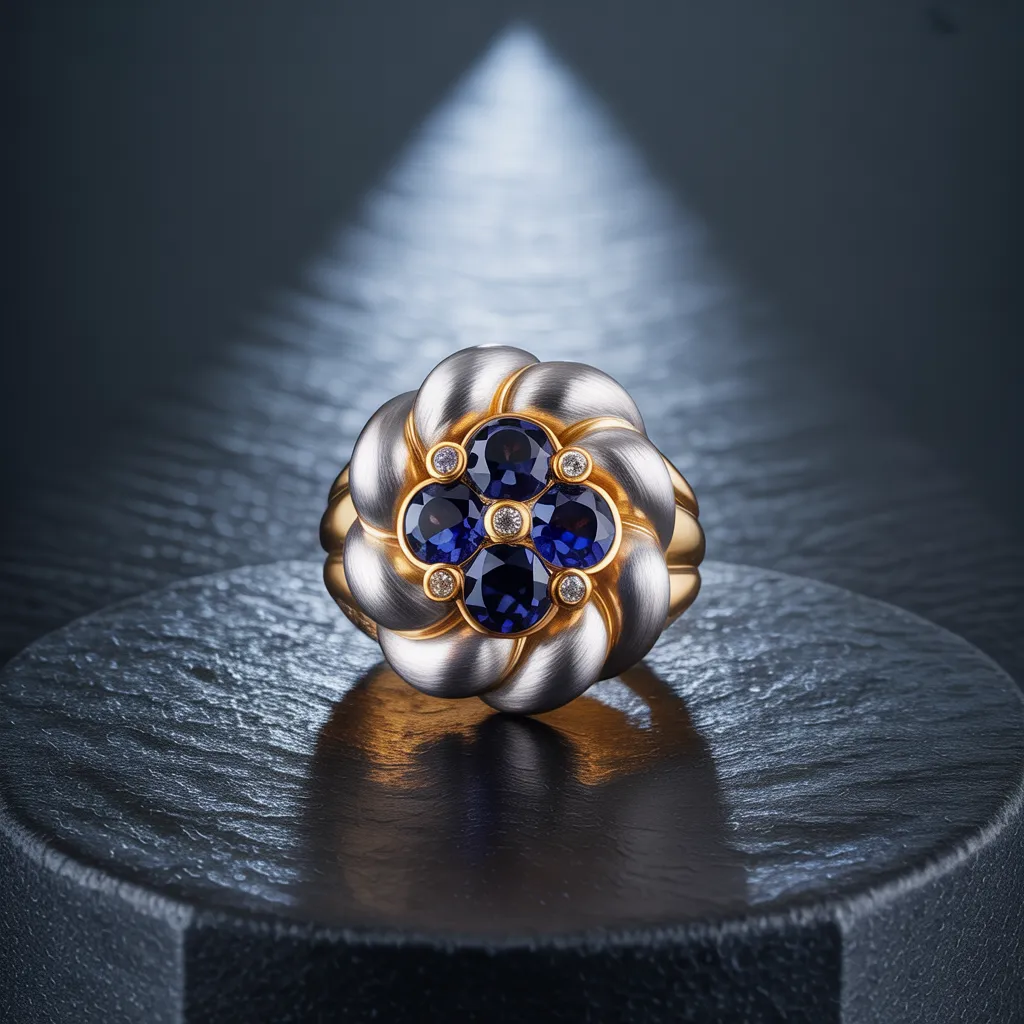
Royal Diamonds: A Historical Overview
Although diamonds have fascinated humanity for centuries, royal diamonds occupy a special place in history as symbols of power and prestige. These remarkable gemstones have adorned the crowns and regalia of monarchs, representing not only wealth but also divine right and authority. The allure of royal diamonds can be attributed to ancient civilizations, where they were often tied to gods and the elite. Over time, the tradition of using diamonds in royal insignia extended across cultures, including Europe, Asia, and the Middle East.
While empires emerged and crumbled, the significance of these stones also changed. Imperial diamonds regularly appeared in legendary tales, amplifying their mystique. Their odysseys often encompassed complex narratives of domination, betrayal, and succession, further solidifying their position. Eventually, the chronicle of royal diamonds demonstrates the confluence of creative mastery, governance, and human ambition, illustrating their persistent effect throughout time.
Distinguished Imperial Diamonds Throughout The Centuries
Throughout history, particular royal diamonds have appeared as iconic symbols of authority and mystery. One of the most renowned is the Koh-i-Noor, which came from India and subsequently obtained by the British Crown, embodying a stormy history of ownership and conquest. Another notable gem is the Hope Diamond, well-known not only for its vivid blue coloration but also for its rumored curse, fascinating the public's imagination for generations. The Cullinan Diamond, the largest gem-quality diamond ever found, was separated into several distinguished pieces, including the Star of Africa, now part of the British Crown Jewels. In France, the Regent Diamond has a legendary past, having graced the crowns of several monarchs. Every one examine guide of these diamonds bears with it tales of cultural significance, intrigue, and royal heritage, solidifying their places in history as much more than mere gemstones.
Royal Diamonds and Their Unique Properties
Royal diamonds have distinctive qualities that differentiate them from other gemstones. Among their most notable characteristics is their remarkable clarity, often displaying fewer inclusions than ordinary diamonds. This clarity increases their brilliance and enables light to reflect magnificently, creating an mesmerizing sparkle. Furthermore, royal diamonds frequently exhibit rare colors, such as deep blues, vivid pinks, and intense yellows, which make them particularly sought after by collectors and connoisseurs. Their unique hues are often attributed to the presence of specific trace elements during their formation. Moreover, royal diamonds are typically larger than average, because of their historical significance and the prestige of their owners. The history surrounding these gems adds an additional dimension of allure, as many have been part of royal collections for centuries. Together, these characteristics make royal diamonds not only emblems of luxury but also remarkable pieces of art in their own right.
The Skilled Craftsmanship Behind Royal Diamond Jewelry
Creating royal diamond jewelry demands a expert blend of artistry and precision. Expert artisans commence with the choosing of finest-quality diamonds, examining each stone for clarity, cut, and brilliance. This careful process ensures that only the most exceptional gems are selected for each unique piece.
Once selected, the diamonds undergo a precise crafting process where skilled gem cutters shape them to maximize their sparkle. The setting of these gems is similarly essential; jewelers use diverse techniques, such as prong, bezel, or pave settings, to amplify the diamond's beauty while securing durability.
Furthermore, the metalwork frequently incorporates intricate designs, necessitating both technical skill and creative vision. The final assembly merges these elements, resulting in royal diamond jewelry that exemplifies elegance and sophistication. This attention to detail not only displays the diamonds but also reflects the craftsmanship that elevates each piece to a work of art.
Caring for Your Royal Diamonds: A Guide
Preserving royal diamonds calls for vigilance to preserve their luster and structural soundness. Frequent cleaning is necessary; employing a delicate, lint-free cloth can aid in remove accumulated residue that accumulate over time. For comprehensive cleaning, a blend of tepid water and gentle soap can be applied, with a gentle brush to clean small gaps. It is essential to clean thoroughly and wipe dry with a soft cloth to avoid residue.
To protect royal diamonds from scratches, they should be kept separate in a soft pouch or lined jewelry box. Do not expose them to harsh chemicals, including household cleaners, as these can deteriorate the stone and its setting.
Furthermore, routine professional examinations are advisable to ensure secure settings and overall condition. By applying these straightforward yet effective care guidelines, it's possible to maintain the allure and elegance of their royal diamonds for decades to come.
Questions & Answers
Where Can You Buy Royal Diamonds?
The finest venues for buying royal diamonds include well-regarded jewelry shops, luxury boutiques, and established online retailers. Moreover, auction events and estate sales can present exceptional chances for securing exceptional royal diamond pieces.
How Do Royal Diamonds Compare to Other Diamond Types?
Royal diamonds are commonly viewed as exceptional because of their exceptional cut, color, and clarity, differentiating them from other diamond types. Their exceptional characteristics elevate radiance, rendering them a desired choice among collectors and connoisseurs equally.
Are Royal Diamonds a Good Investment?
Royal diamonds may be a valuable investment thanks to their rarity and desirability. Their unique characteristics commonly contribute to higher resale values, making them attractive to collectors and investors wanting to diversify their portfolios.
Can You Resize or Repurpose Royal Diamonds?
Royal diamonds can generally be resized or repurposed, depending on their individual settings and designs. Skilled jewelers typically examine the diamond's properties before performing adjustments to ensure that the integrity and beauty remain intact.
Which Settings Are Most Popular for Royal Diamonds?
The most popular settings for royal diamonds include solitaire, halo, three-stone, and vintage designs. Each setting enhances the diamond's brilliance, allowing it to stand out while complementing diverse personal tastes and jewelry designs.