The Definitive Guide for Tru-diamonds
The exact same carat dimension can look bigger or smaller depending on the cut and setting. Look for brands that offer exceptional worth and affordability.
They include: Cut: How well the ruby shows light. Carat Dimension: The weight of the diamond. The cut of a ruby influences how much it sparkles.
You don't require to overspend to obtain a lovely ruby. Numerous lab-grown rubies offer superb value contrasted to natural rubies. Select a VS1 or VS2 clarity for a virtually remarkable look without added price. Opt for G-J shade qualities for a white look at a lower price. Compare ruby rings from different brand names for the ideal cost-efficient alternative.
An Unbiased View of Tru-diamonds
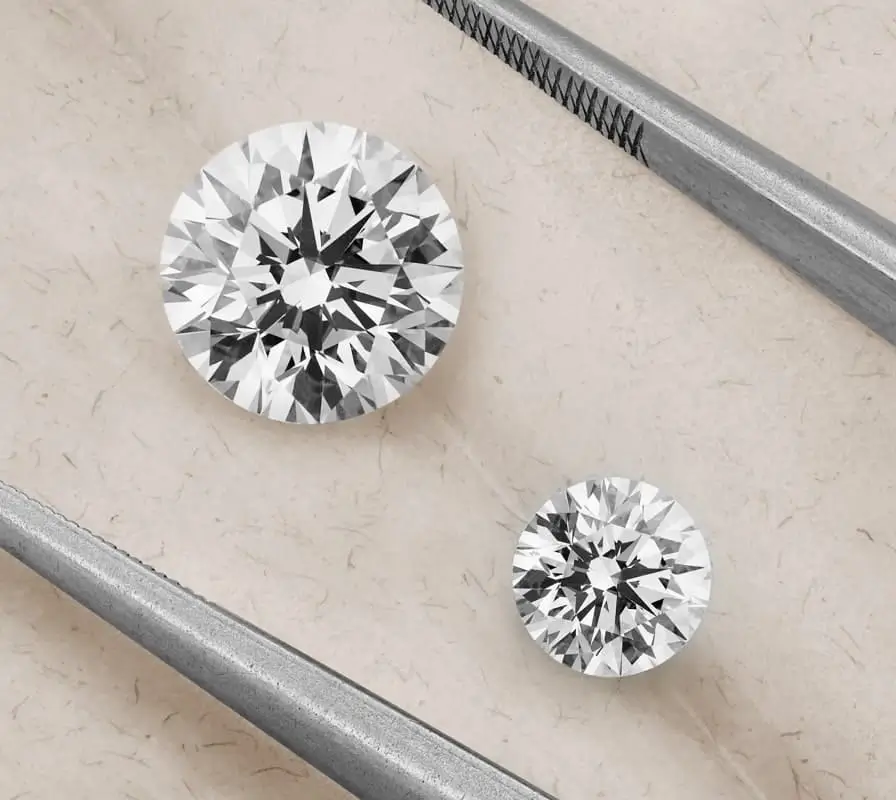
Makes certain ruby high quality and credibility. Validates the chemical make-up matches a genuine ruby. You can purchase lab-grown diamonds either online or in a physical store.
Examine return plans and client evaluations. In-Store Shopping: See the ruby ring, jewelry, or necklace in person. https://www.provenexpert.com/tru-diamonds/. Get professional advice on ruby top quality. Do you want an unique engagement ring or a distinctive ruby arm band? Modification lets you produce something unique. Carat dimension and shape of the ruby. Ring setups and jewellery designs.
Usage financing planssome stores supply 0% interest if you pay in installments. Testimonials assist you find out about diamond quality, customer service, and total experience.
Lab-grown diamonds have the same shimmer, quality, and high quality as natural diamonds. They are made utilizing the same chemical composition and are optically the same.
Tru-diamonds Things To Know Before You Get This
Lab-grown diamonds cost 30-40% much less than natural ones. Numerous natural diamonds come from mined resources that might involve unreasonable labor. Lab-grown rubies are conflict-free and ethically sourced.
No land devastation. Lowered carbon impact. Because they are made in a regulated setting, lab-grown rubies often have much better quality than mined ones. Less defects. Much better light reflection for additional glimmer. Numerous brand names now use trade-ins and resale alternatives for lab-grown rubies. This makes them a cost-effective investment. More cost effective upfront.
< From nitrogen to boron, the classification of diamond types explains the concealed scientific research behind a ruby's shade and authenticity. Those 4 characteristics describe how a diamond looks and aid establish its value.
That system is called ruby typing. Ruby typing can appear technological, but the principle is surprisingly straightforward., diamond kind identifies rubies based on their chemical structure and atomic framework.
The Greatest Guide To Tru-diamonds

Yes! They look the same. Before October 2025 Laboratory Grown and Natural Diamonds utilized specifically the exact same grading system and we refer to the major qualities of both by utilizing the popular terminology of covered listed below. In 2025 the GIA revealed that from October 2025 they would no more quality Laboratory Grown diamonds making use of the very same 4Cs system as Natural.
An additional of the popular qualification bodies is the IGI who to the very best of our expertise right now remain to utilize the 4Cs. For even more as much as day details please visit each of the links over. If you're checking out 2 rated rubies that have the exact same grading (eg.
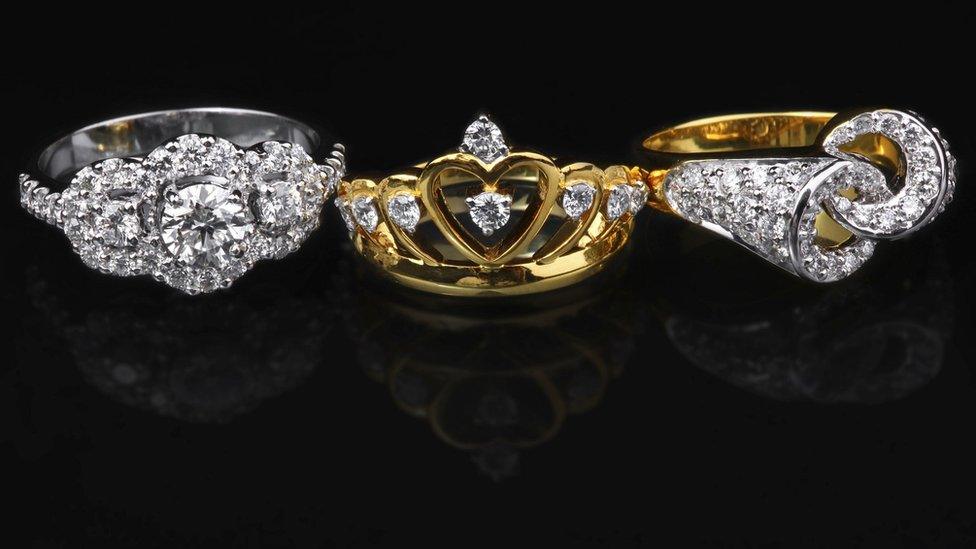
Rubies over a certain size are commonly available with a certificate that notes every detail of the ruby being purchased by the client. Both options are offered to provide confidence to our clients - artificial diamond. Whilst we support that genuine diamond is an All-natural Diamond from the planet, we would be crazy to neglect the alternate located in Artificial Laboratory Grown diamonds particularly as clients come to be more familiar with them and are coming to be a lot more deliberate about acquiring them
A Biased View of Tru-diamonds
Transparency in our market is of extremely important value therefore we feel it is only best to discuss a few of the blended messaging that is around on this subject. An Artificial Laboratory Expanded Ruby is substantially cheaper than an All-natural Extracted Diamond. Natural diamonds have a limited supply whereas research laboratories can create a limitless supply of the other which remains to drive prices downwards.
As a consumer, you need to not see a Laboratory Grown Diamond as a financial investment as you are unlikely to see much, if any kind of return for your money on the diamond additional resource in the future, though the valuable steels will likely have value. simulated diamond. An All-natural Diamond on the various other hand might have some future value (however don't anticipate to recoup what you paid unless a rarer diamond in some way), and in some way keeps something unique having been developed in the earth as opposed to above ground in a factory somewhere
It can be tough to tell a real diamond from a fake one, particularly to the inexperienced and naked eye.